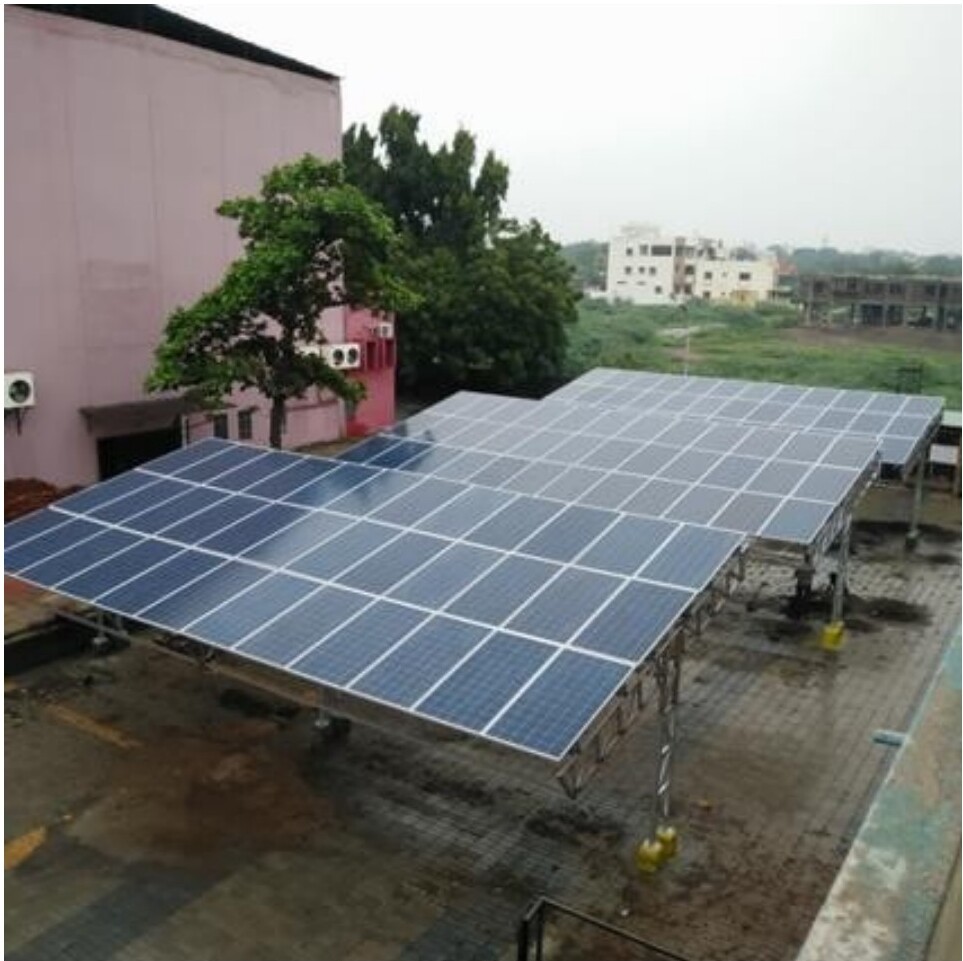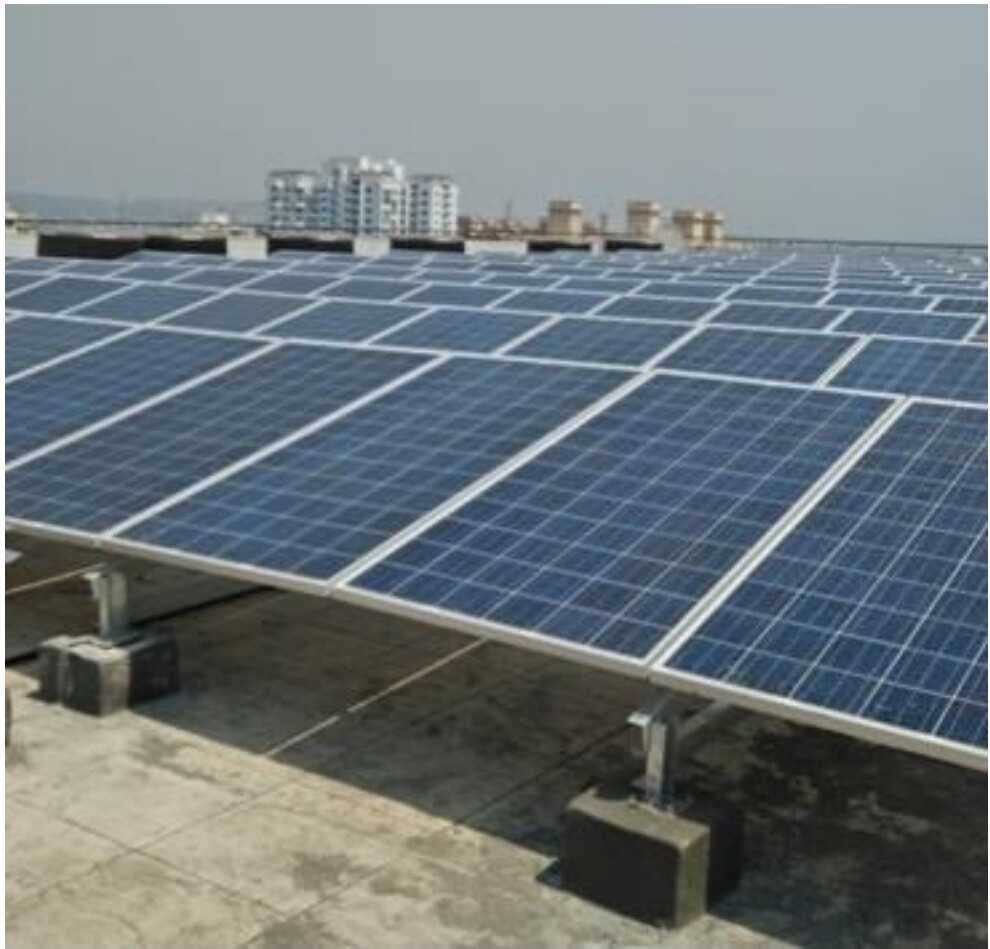
The Indian solar energy market is at an inflection point. With the PM Surya Ghar Yojana offering subsidies of up to ₹78,000 for residential installations, falling module prices driven by global overcapacity, and DISCOM tariffs steadily climbing at 5-8% annually, the economics of rooftop solar have never been more compelling.
Let's look at the numbers. A typical 5 KW residential system costs approximately ₹3-3.5 lakh before subsidies. After the central government subsidy, your effective cost drops to around ₹2.2-2.7 lakh. At current electricity rates in Maharashtra (₹8-12 per unit for domestic consumers), this system pays for itself in just 3-4 years — and then generates free electricity for the remaining 20+ years of its lifespan.
For commercial and industrial consumers, the math is even better. With electricity rates ranging from ₹10-15 per unit, a rooftop solar system can deliver payback periods as short as 2.5-3 years under the CAPEX model. And if you prefer the OPEX model, you start saving from day one with zero upfront investment.
Several factors are converging to make 2025 the optimal year: (1) Panel prices have dropped 40% over the past two years due to manufacturing overcapacity in China, (2) The Indian government's accelerated depreciation benefit of 40% makes solar a powerful tax planning tool for businesses, (3) Net metering policies in Maharashtra now allow surplus power export at attractive rates, and (4) Rising ESG requirements mean many corporates are mandating renewable energy adoption across their supply chains.
At SunMania, we've seen a 3x increase in inquiries since January 2025. The message is clear — businesses and homeowners are recognising that solar isn't just good for the planet, it's great for the bottom line. If you've been considering the switch, now is the time to act before subsidy allocations are exhausted.
Ready to explore solar for your facility?
Get a free site assessment and customised proposal from SunMania — usually within 48 hours.
Get a Quote